Blog
Every article here was written and published by Generated, in six languages, with its cover, FAQ and calls to action.
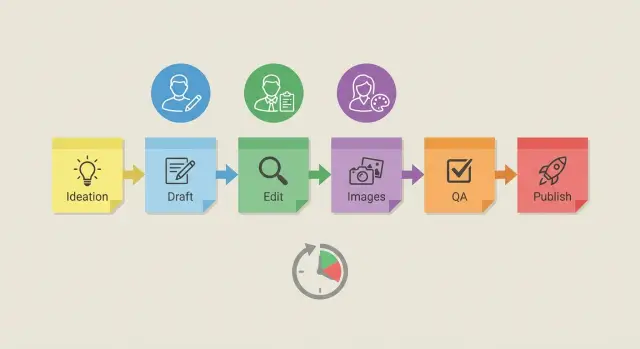 Repeatable content workflow: roles, handoffs, and SLAsBuild a repeatable content workflow with clear roles, handoffs, and SLAs so ideas move smoothly from brief to draft, edit, images, and publish.Read the article
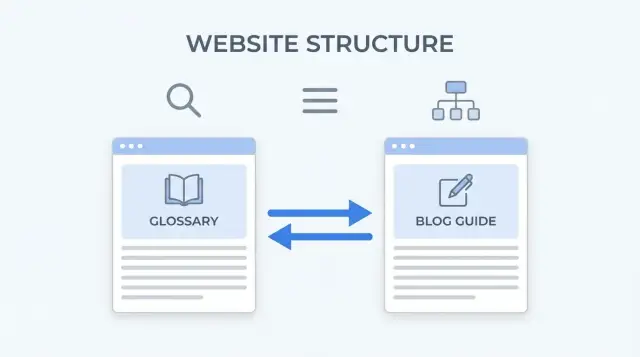 Glossary-to-blog crosslink strategy: linking terms and guidesBuild a glossary-to-blog crosslink strategy that connects definitions and guides, improves navigation, and helps both pages rank without spammy links.
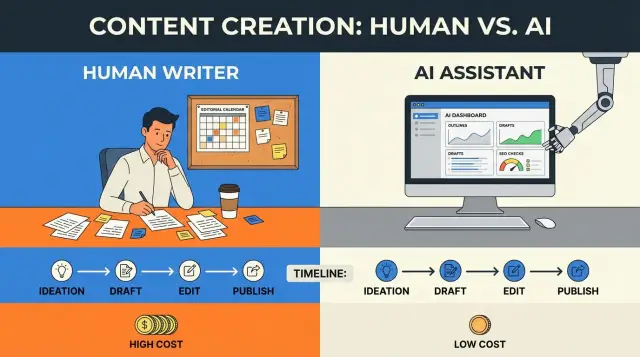 AI-assisted content production vs human-only: time and costA practical comparison of human-only and AI-assisted content production, with realistic time and cost tradeoffs, quality risks, and a hybrid workflow.
 Content monitoring alerts for new posts to catch issues earlySet up content monitoring alerts to spot ranking drops, indexing problems, and broken internal links in the first hours after publishing.
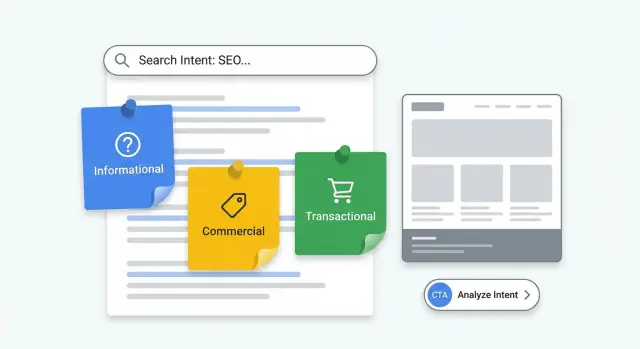 SERP intent mapping: classify queries and match pages to winSERP intent mapping helps you classify queries and shape page structure, headings, and CTAs so your content matches what searchers expect.
 Brief AI for Consistent Brand Voice: Template + CriteriaLearn how to brief AI for consistent brand voice with a practical template: voice rules, do and don't examples, and clear acceptance criteria for editors.
 Blog posts for organic SEO: why they matter and how it worksLearn how blog posts for organic SEO help you earn rankings over time through intent, helpful structure, internal links, freshness, and trust signals.
 Blog design system: components and templates that stay fastBuild a blog design system with reusable components and templates for headings, callouts, tables, and CTAs that stay fast and consistent.
 Content brief template writers follow: intent, outline, CTAUse this content brief template to align intent, outline, SERP features, internal link targets, and a clear CTA goal so writers deliver the right draft faster.
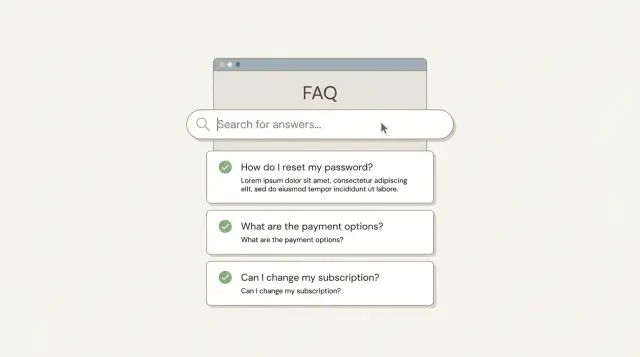 SEO-friendly FAQs that don't feel spammy: a practical methodSEO-friendly FAQs can improve visibility without sounding pushy. Learn how to choose real questions, write clear answers, and add FAQ schema responsibly.
 Intros That Reduce Bounce Rate: Proven Opening StructuresLearn simple opening structures and a repeatable process for writing intros that reduce bounce rate, confirm reader intent fast, and lead into your outline.
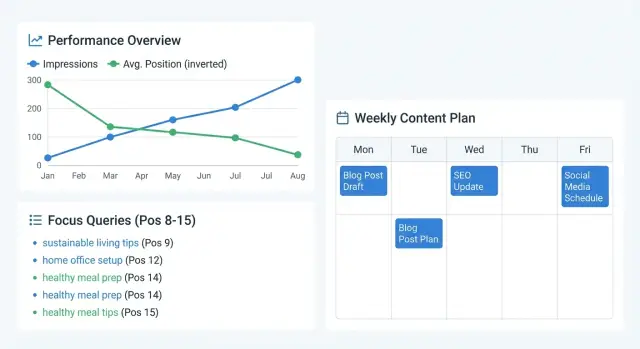 Search Console content calendar: weekly plan from impressionsBuild a Search Console content calendar by turning impressions and near page 1 queries into a simple weekly plan for new posts, refreshes, and quick wins.
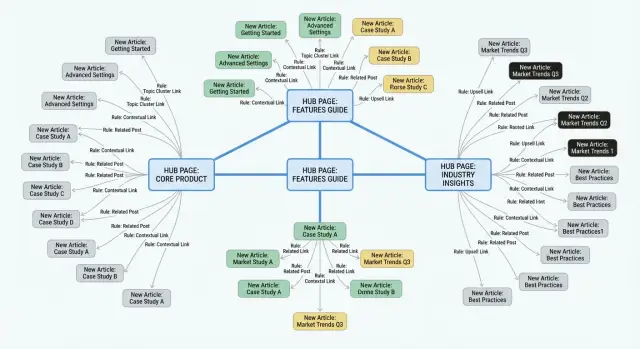 Internal linking at scale with rules-based hub routingLearn internal linking at scale with a rules-based system that auto-connects new posts to the right hubs, keeps anchors clean, and stays easy to maintain.
 CTA copywriting for SEO pages: match CTAs to intentCTA copywriting for SEO pages: learn to align CTAs with page intent, keep pages readable, and test variants safely using simple, practical steps.
 A/B testing CTAs on informational content without losing trustA/B testing CTAs can improve signups without hurting trust. Learn what to test in placement, copy, and design, plus rules to avoid misleading readers.
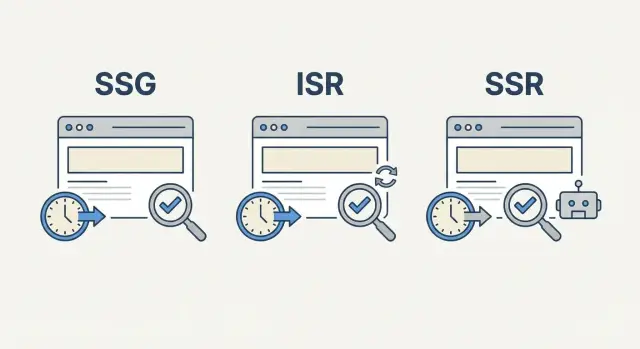 Next.js SEO rendering patterns: choosing SSG, ISR, or SSRNext.js SEO rendering patterns explained with a clear comparison of SSG, ISR, and SSR for blogs and glossaries, focused on crawlability and speed.
 Editorial style guide for SEO teams: rules for consistencyEditorial style guide for SEO teams that sets clear rules for terminology, capitalization, links, and citations so every author publishes consistent pages.
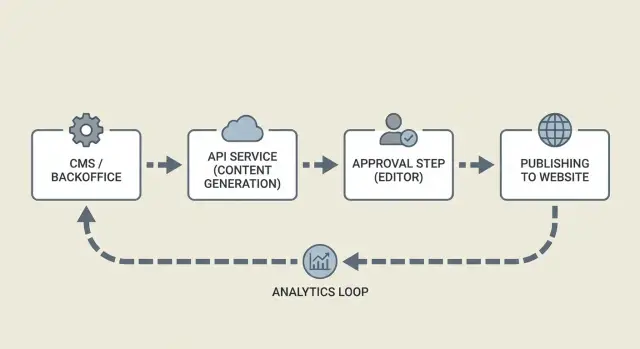 Content pipeline with an API: a step-by-step architectureBuild a content pipeline with an API from idea to publish: generation, review, approval, scheduling, and monitoring, with a simple architecture you can adapt.
 On-page SEO checklist for blog posts that teams can reuseUse this on-page SEO checklist for blog posts to review titles, headings, internal links, schema, images, and CTAs before you hit publish.
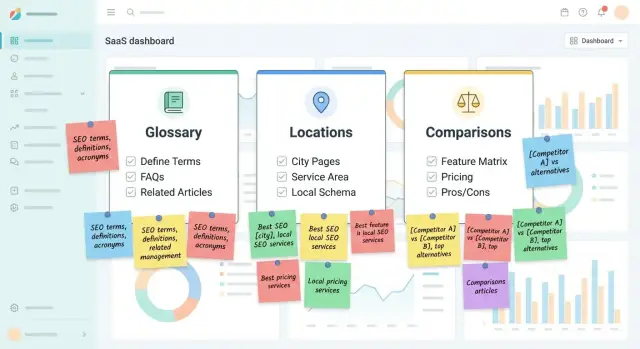 Programmatic SEO for long-tail keywords: planning templatesProgrammatic SEO for long-tail keywords: plan glossary, location, and comparison templates with quality checklists that prevent thin pages.
 Video transcript workflow: turn one video into 3+ assetsLearn a video transcript workflow to turn one video into an article, short clips, and a glossary entry without repeating the same value.
 Evergreen news content: timely updates that keep traffic longerEvergreen news content keeps posts useful after the headline fades. Learn how to pair timely updates with reusable explainers and clear what it means sections.
 Content ROI by page type: a realistic conversion modelLearn how to measure content ROI by page type using a practical attribution model for blogs, glossaries, and comparison pages, with realistic expectations.
 Create Topic Clusters That Rank: A Simple WorkflowCreate Topic Clusters That Rank with a clear workflow for pillar pages, supporting posts, and internal links that match real search intent.
 Localized keyword research for translations: adapt topics by localeLearn localized keyword research for translations to adapt topics per locale, match search intent, avoid slang traps, and build a practical keyword map.
 Glossary pages that rank: Expand definitions without driftingBuild glossary pages that rank by expanding definitions with examples, FAQs, and smart internal links while matching search intent.
 Reduce AI hallucinations in writing: prompts and workflowsLearn how to reduce AI hallucinations in writing with source-first prompts, claim limits, verification steps, and quick checks to catch unverifiable text.
 Image SEO for Blog Graphics: Names, Alt Text, WebP/AVIFImage SEO for Blog Graphics made practical: naming rules, alt text that fits the image, ideal sizes, and WebP/AVIF choices with a repeatable branding workflow.
 Keyword cannibalization: causes, early detection, and fixesLearn the common causes of keyword cannibalization, how to spot overlap early, and how to fix it with consolidation, redirects, and intent mapping.
 Scale content across multiple websites without duplicate pagesLearn how to scale content across multiple websites by reusing research, localizing thoughtfully, and keeping every page unique and useful.
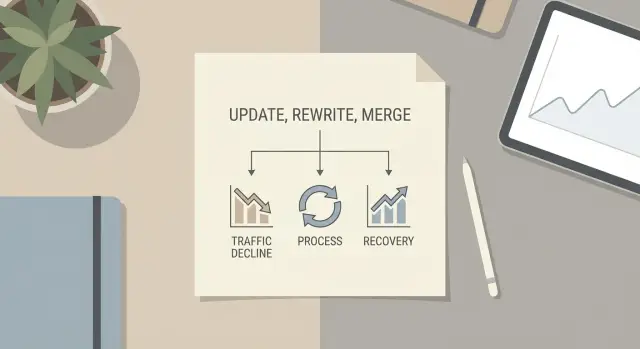 Content refresh strategy: decide to update, rewrite, or mergeUse a content refresh strategy to decide when to update, rewrite, or merge declining posts, and plan a refresh schedule based on query volatility.
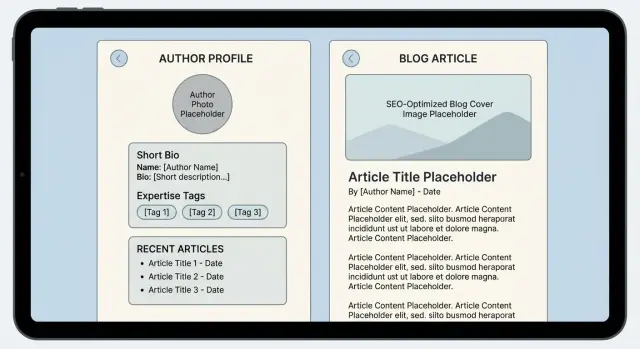 Author pages for trust: bios, expertise, and attributionAuthor pages for trust help readers see who wrote what, why they are qualified, and how content is reviewed, updated, and attributed without fluff.
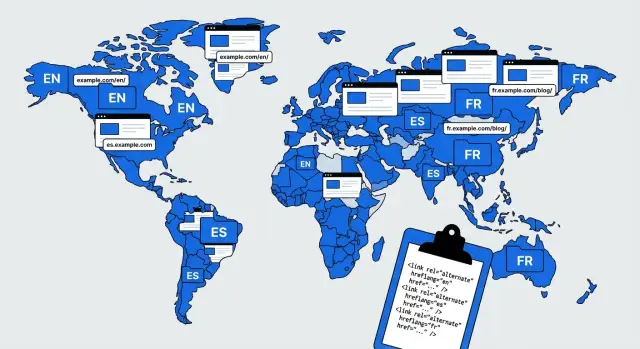 Multilingual SEO duplicate content: URLs, hreflang, QALearn how to prevent multilingual SEO duplicate content with the right URL structure, hreflang setup, and translation QA to avoid index bloat.
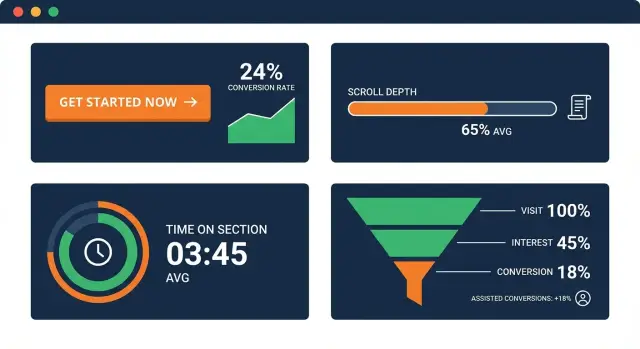 CTA performance tracking beyond clicks: what to measureCTA performance tracking beyond clicks: what to measure (scroll depth, time on section, assisted conversions) and how to read results by page type.
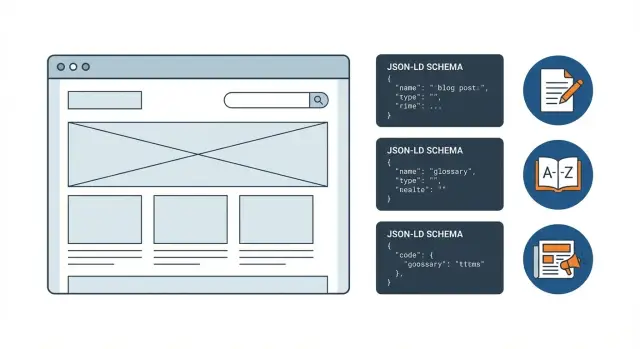 Schema markup for blogs: types for news and glossariesLearn which schema types fit blog posts, glossary terms, and news, plus simple steps to test schema markup for blogs for rich results.
 Content outline from keyword clusters: a clear way to structureLearn how to build a content outline from keyword clusters that reads smoothly, covers subtopics in the right order, and matches real search intent.
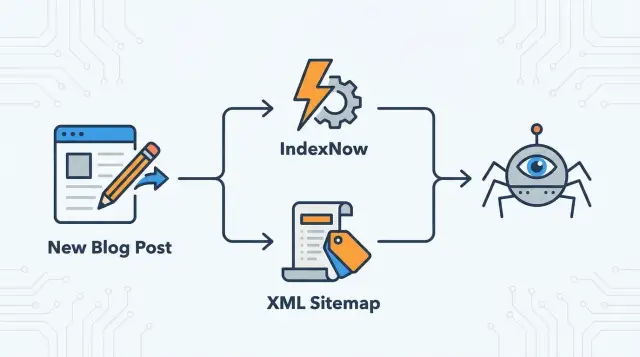 IndexNow vs XML sitemaps: when to use each and whyIndexNow vs XML sitemaps: learn how each works, when to use them, and follow a simple rollout plan to get new pages discovered faster.
 Common SEO mistakes in AI-generated content: patterns and fixesSpot common SEO mistakes in AI-generated content that hurt rankings. Fix generic phrasing, missed intent, weak headings, and thin answers.
 Meta titles and descriptions at scale: patterns that stay uniqueLearn repeatable formulas for meta titles and descriptions at scale, with guardrails for uniqueness, relevance, and avoiding spam signals.
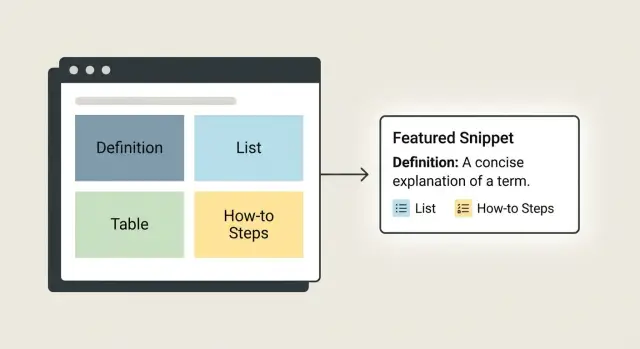 Content structure for featured snippets: formatting patternsLearn content structure for featured snippets with definition, list, table, and how-to formats, plus quick checks to improve snippet readiness.
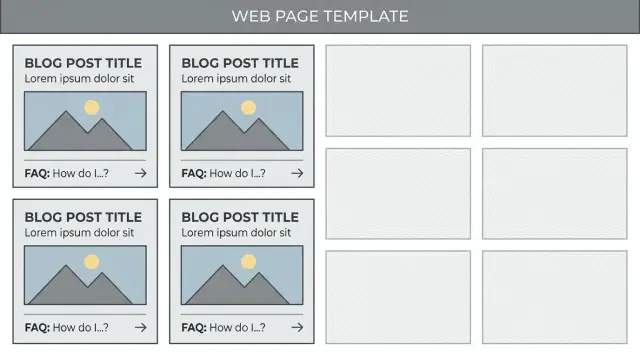 Prevent thin content in templated pages: rules and examplesLearn how to prevent thin content in templated pages with practical minimum content requirements, uniqueness rules, and template upgrades that add real value.
 Comparison pages that convert: a fair structure that worksComparison pages that convert need fair structure, clear proof, and CTAs matched to decision-stage intent. Use this layout to build trust and increase clicks.
 Video SEO for Blog Posts: When It Helps and How to Add SchemaLearn when video SEO for blog posts helps, where to place videos, and how to add VideoObject schema and transcripts to improve search visibility.
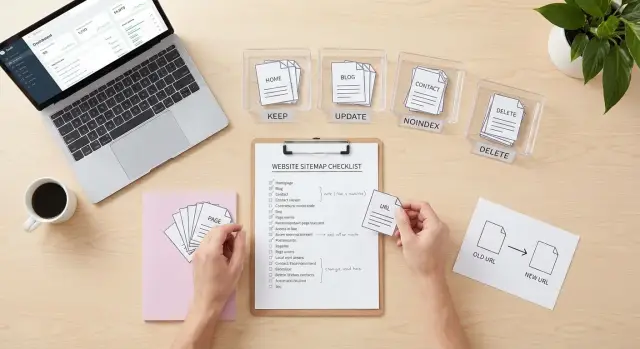 Content pruning for SEO: decide what to delete vs keepUse content pruning for SEO to decide what to delete, noindex, merge, or update, plus safe redirect tactics and quick checks to avoid traffic drops.
 Avoid stock-photo sameness with AI images for SEO coversLearn prompt patterns and art direction to avoid stock-photo sameness with AI images while keeping featured images consistent, readable, and SEO-friendly.
 Core Web Vitals for content-heavy sites: practical fixesCore Web Vitals for content-heavy sites explained with practical steps to speed up image-heavy articles, reduce layout shifts, and improve real user results.
 Editorial QA checklist for AI-assisted articles: review stepsUse this editorial QA checklist to review AI-assisted articles for factual errors, tone mismatches, and SEO gaps before publishing.
 Open Graph image sizes: a resizing plan for SERP and socialUse Open Graph image sizes to plan variants for Twitter cards, thumbnails, and in-article images that load fast, look sharp, and improve CTR.
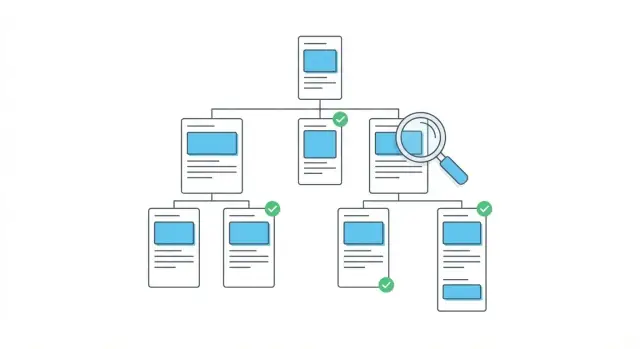 Sitewide content duplication audit: find repeats and fix themRun a sitewide content duplication audit to spot repeated intros, boilerplate blocks, and near-duplicate pages, then fix them with a clear workflow.
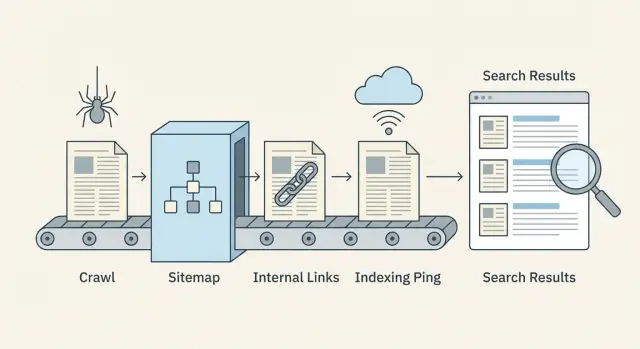 Publish at scale without indexing delays: a practical checklistPublish at scale without indexing delays with a simple checklist for crawl budget, internal links, sitemaps, and proactive indexing pings that help pages get found faster.